How it works

Build the room from the decision backwards.

Exeter Labs starts with the institutional decision, then builds the evidence map, signal model, room surface, and executive memo cadence required to support it.

Decision Room loop

Decision, evidence, signals, room, memo, cadence.

The institution does not buy a dashboard. It buys a clearer path from activity to evidence-backed action.
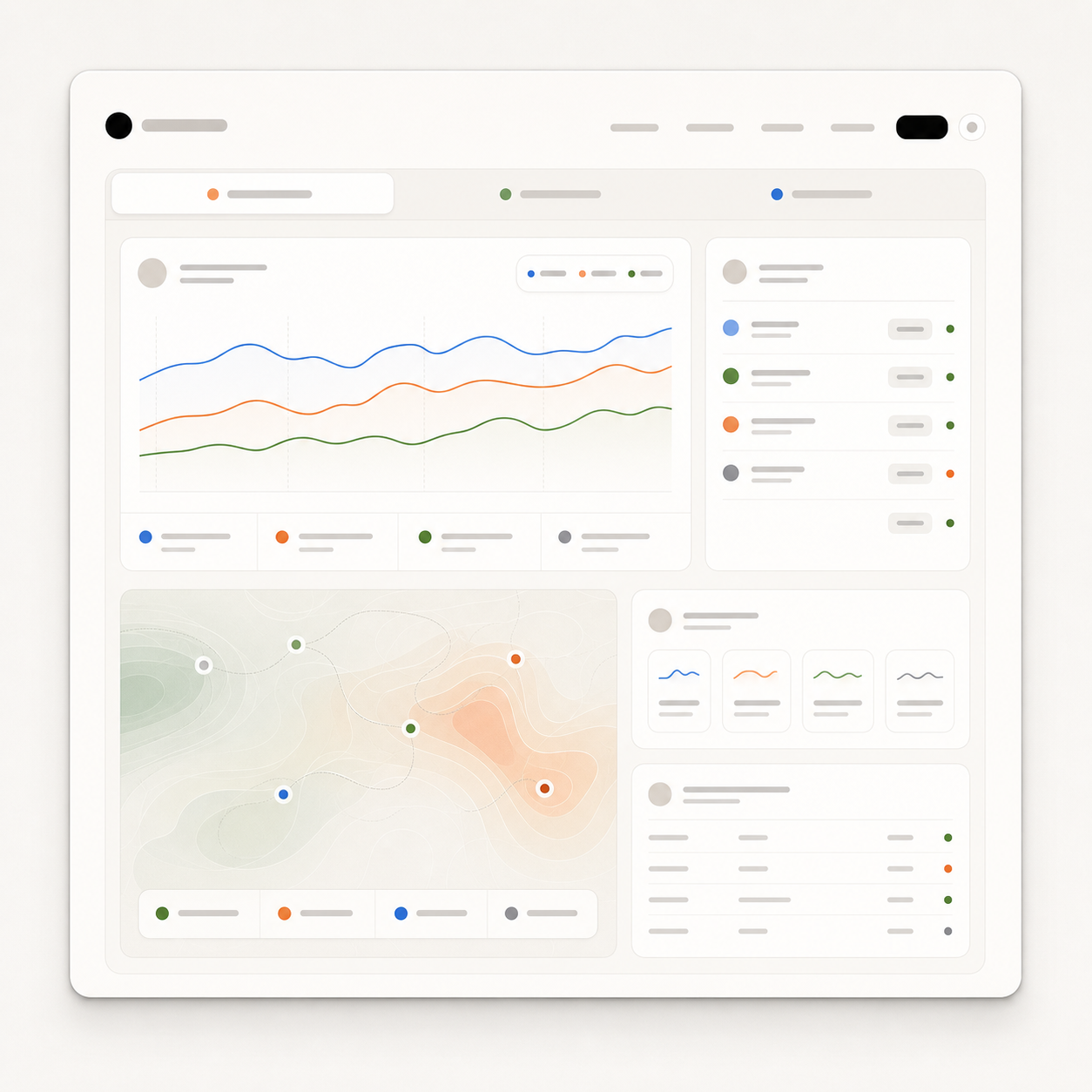
Abstract institutional signal map
The system turns fragmented activity into a repeatable cadence for deciding what to scale, stop, revise, fund, wait, or investigate.
DecisionName the decision owner, action options, constraints, and evidence threshold.
EvidenceMap available program data, public signals, meetings, market activity, and AI visibility.
SignalsScore intent, momentum, readiness, displacement, visibility, and confidence.
RoomBuild the live workspace where evidence, interpretation, and next actions stay connected.
MemoTurn the room into an executive recommendation leaders can use.
CadenceRefresh evidence, record decisions, and improve the room into a reusable instrument.

Core frameworks

AIR APAC research logic, productized by Exeter Labs.

Human Layer Operating Map

Connects leadership, governance, process, skills, data, and culture to the decision.

AI Readiness Index

Uses AIR APAC research logic to frame institutional readiness and benchmark gaps.

Signal Quality Ladder

Separates weak activity from stronger evidence of intent, readiness, or momentum.

Evidence Rules

Defines what counts, what does not, and what would change the recommendation.

Decision Register

Records the decision, rationale, owner, next action, and reversal conditions.

Executive Memo Cadence

Converts the room into a recurring leadership artifact.

Delivery methodology

Five phases from pilot question to operating cadence.

Phase 1

Decision audit

3-5 days

Decision owner mapEvidence thresholdPilot scope
Phase 2

Signal model

1-2 weeks

Source mapScoring logicData and governance checklist
Phase 3

Room build

2-4 weeks

Evidence mapSignal viewsDecision register
Phase 4

Executive readout

1 week

Decision memoPilot findingsScale recommendation
Phase 5

Operating cadence

Ongoing

Refresh rhythmMemo cadenceRoom improvement backlog

AI-assisted, human-reviewed

AI accelerates signal work. Judgment still makes the recommendation.

Exeter Labs uses AI to process public signals, program artifacts, meeting notes, market data, AI answer surfaces, and source visibility. Every executive recommendation is reviewed before delivery.

The goal is not to automate institutional judgment. The goal is to structure it so leaders can see the evidence, assumptions, risks, and next action clearly.

Data governance

  • Client and institutional data is not used to train external models
  • Sensitive information can be redacted before processing
  • Access permissions are documented per pilot
  • Evidence rules are visible and reviewable
  • Outputs are reviewed before executive delivery
  • Vendor and model choices stay neutral